Cronos: The New Dawn – Review
Reviewed by Karan Parmar | September 5, 2025
Cronos: The New Dawn is a wild, intense ride that doesn’t hold your hand. From the moment you step into its bleak, unforgiving world, it demands your attention and your patience. The game blends survival horror with tense exploration, putting you in situations where every decision counts. Some moments are genuinely thrilling, some are frustratingly punishing, and some will stick with you long after you put the controller down.
Atmosphere & Setting – Brutal, Brooding, and Polish-Heavy
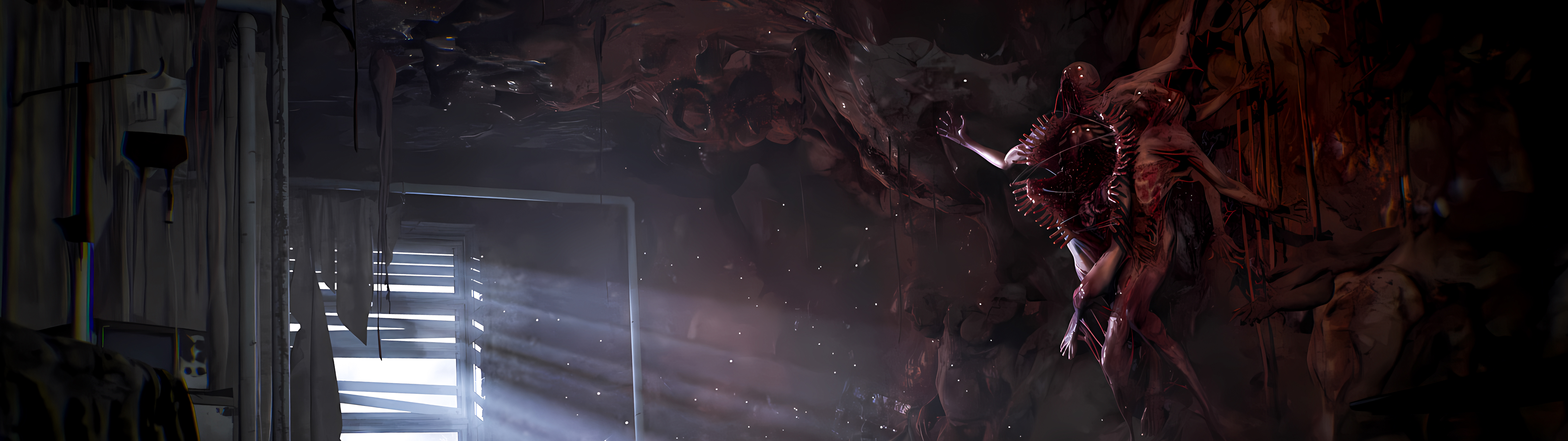
Man, first impression: this world creeped me out. Bloober Team leans hard into empty, brutalist architecture fused with 80s sci-fi vibes. Rusted corridors, fog-laden labs, and flickering overhead lights immediately make you feel like you’ve stepped into a twisted Eastern European nightmare; think Dead Space meets Silent Hill. The lighting alone does half the work, casting shadows that feel alive and making every corner a potential threat.
The environmental storytelling here is thick and deliberate. Old posters, scattered notes, blood-splashed walls, and derelict machinery all tell stories without a single line of dialogue. You sense the slow collapse of civilization at every turn, and the little details, the buzzing neon signs, the broken security cameras, and even the faint hum of damaged machinery add layers to the world.
What really stands out is how polished the world feels despite its decay. Every corridor and every room has texture and life. Even the “empty” spaces carry weight, making you tense and alert as you explore. It’s the kind of setting that doesn’t just scare you with monsters; it unnerves you with the feeling that something went horribly wrong here, long before you arrived.
Combat & Survival Mechanics – Tense, But Occasionally Repetitive
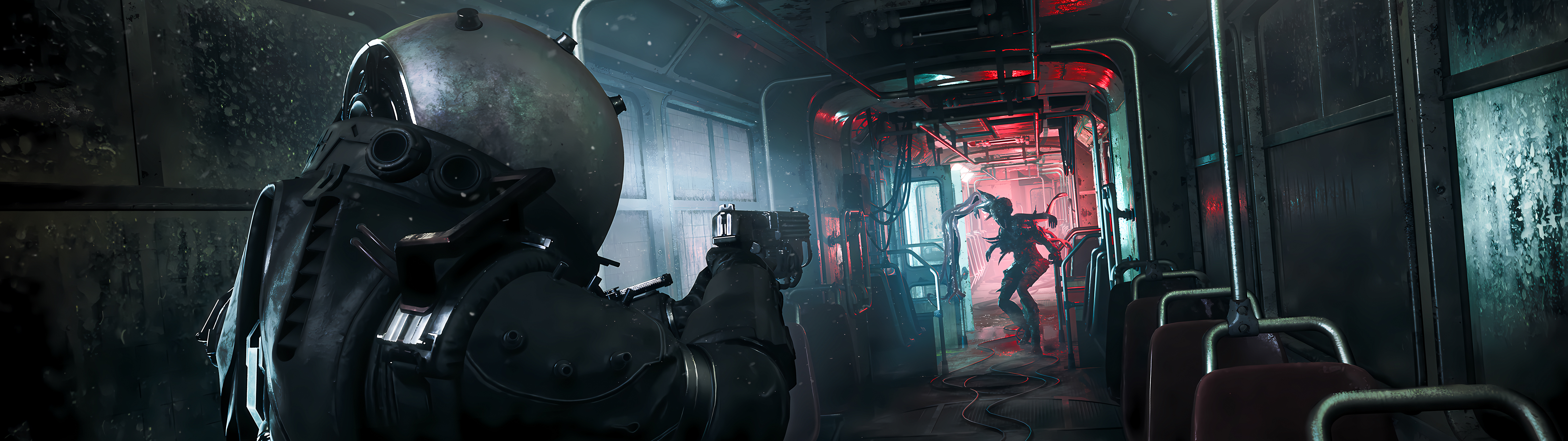
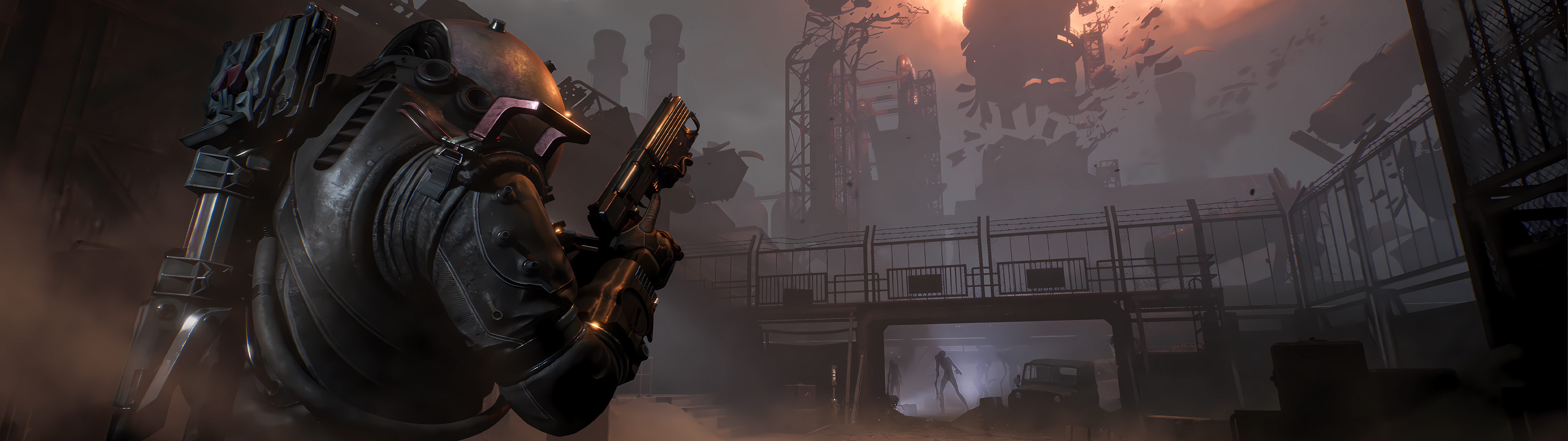
This is where Cronos tries something genuinely interesting: the Orphans. These monsters can merge with fallen bodies to become stronger, which forces you to make quick decisions: burn the corpse or risk facing an upgraded nightmare. It adds a real sense of tension, especially in tight corridors where every second counts. You’re constantly balancing aggression with caution, and it keeps encounters from feeling entirely predictable.
Gunplay itself is solid. Weapons have weight, recoil feels tangible, and feedback is satisfying; charging shots land with a satisfying punch, and reloading animations make each clip feel meaningful. Ammo and resources are scarce, so every bullet, flare, and fragment matters. You can’t just spray your way through a room; planning and timing are essential.
The combat loop isn’t flawless. Larger enemies often devolve into the same rhythm: shoot the weak spot, dodge attacks, rinse and repeat. By the third wave of Orphans, the novelty of the merge mechanic starts to wear off, and fights can feel repetitive. Add in moments where aiming feels sluggish or enemies absorb more damage than seems fair, and some encounters become more frustrating than tense.
Still, the core ideas, the body-merging mechanic, resource management, and environmental awareness do create some genuinely nerve-wracking moments. When it works, it’s tense, satisfying, and perfectly in tune with the survival horror mood. When it falters, it’s noticeable, but never enough to completely break the experience.
Story & Themes – Time Rifts, Moral Choices, but Familiar Arms
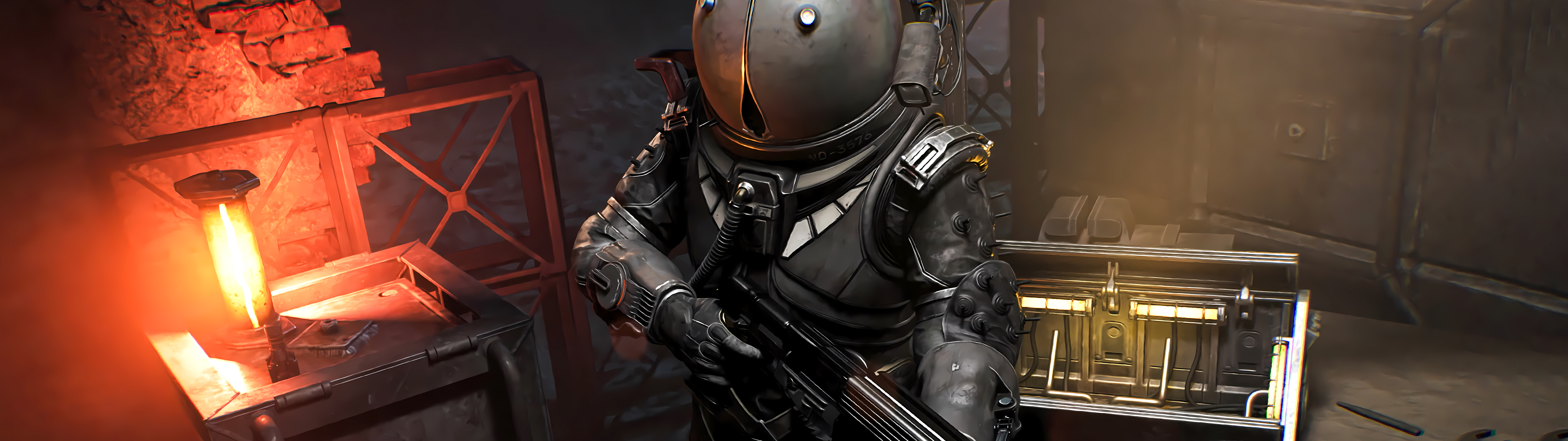
You play as the Traveler, tasked with journeying back in time to extract “Essences” to prevent a catastrophic event known as the Change. On paper, it’s a solid sci-fi survival horror setup, mixing elements of Polish folklore, dystopian sci-fi, and shaky morality that constantly makes you question your choices. The multiple endings mean your decisions carry weight, even if some of the consequences are more narrative flair than life-or-death stakes.
The lore unfolds gradually, mostly through logs, environmental hints, and collected echoes scattered across the world. It’s a subtle approach; sometimes it clicks, giving you that satisfying “aha” moment when a puzzle piece of the story falls into place. Other times, it drifts into familiar survival-horror territory, relying on overused tropes like mysterious organizations, secret experiments, or last-minute betrayals. Some late-game twists try to ramp up tension and moral weight, but they occasionally land as predictable rather than shocking.
What’s interesting, though, is how the story intertwines with gameplay. Choices in how you deal with Orphans, what paths you explore, or which logs you prioritize can subtly change your understanding of the Traveler’s role and the world itself. It’s not groundbreaking storytelling, but it hits enough beats to keep you invested, and the dark, oppressive atmosphere reinforces the stakes more effectively than any dialogue-heavy scene could.
Exploration & Puzzles – Retro Horror Flow, But Lite on Brain-Teasers
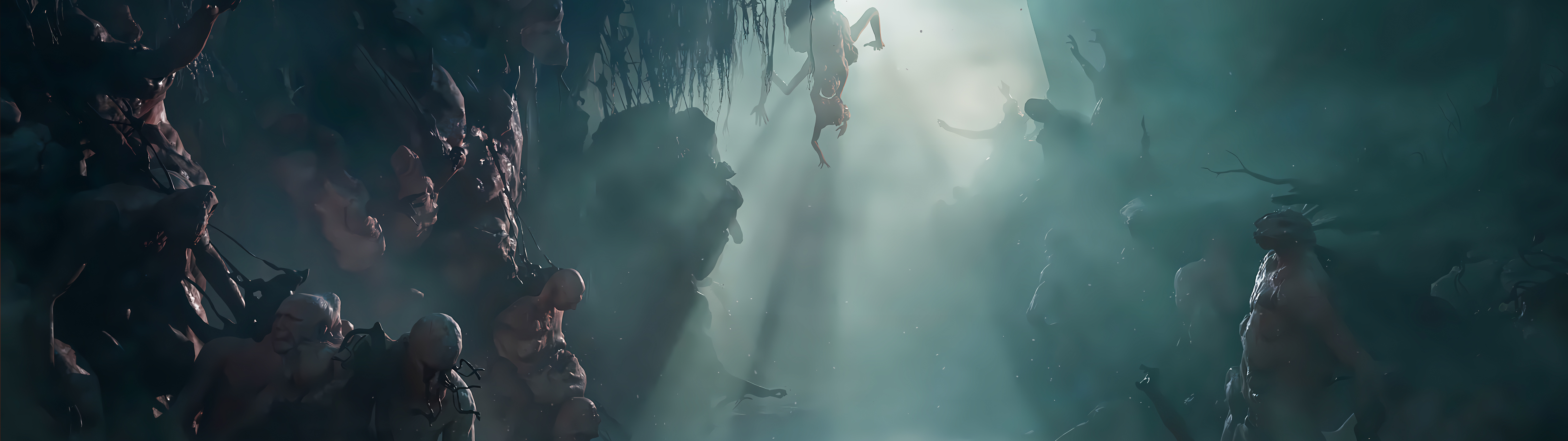
Exploration in Cronos leans into old-school survival horror vibes: locked doors, branching paths, keys, codes, and bits of lore tucked into almost every corner. It’s the kind of design that rewards careful observation and curiosity. Sometimes, it does feel a bit linear, like you’re following a checklist, but when you discover a hidden shortcut, loop back through a previously “dead-end” area, or uncover a secret item, it gives that satisfying “ah-ha” moment that makes you feel clever without ever getting frustrating.
Puzzles here are simple but mostly effective. Flip a switch, scan an emblem, open a hidden panel; nothing too complex, but they serve their purpose: breaking up tension and pacing the campaign rather than giving your brain a full workout. They rarely overstay their welcome, and the more subtle environmental cues usually guide you without holding your hand. It’s not Resident Evil-level mental strain, but it’s enough to keep the flow steady and complement the game’s eerie atmosphere.
One thing I appreciated is how exploration ties into the world-building. Even a small puzzle often has a narrative reason for existing; a journal note hints at a code, and a room layout hints at a secret passage, which makes solving it feel like part of the story, not just a gameplay obstacle.
Visuals, Audio & Tech – Gorgeous But Rough Around the Edges
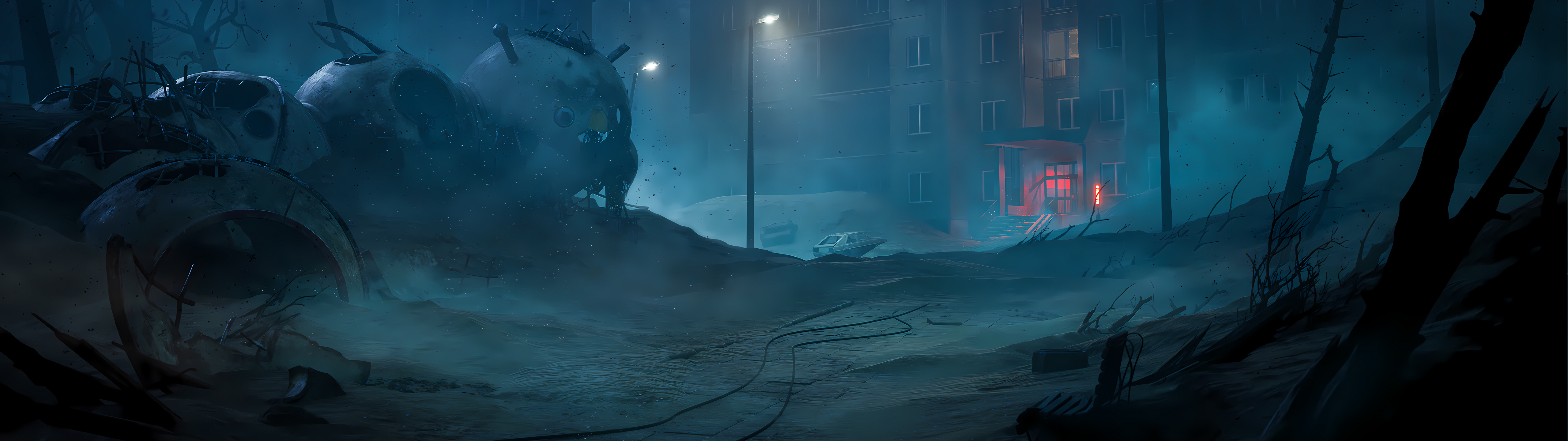
On PC, Cronos: The New Dawn is a stunner. The lighting is moody, textures are detailed, and the environments are layered with grime, rust, and decay that make the world feel lived-in and oppressive. Small touches, flickering lights, reflective puddles, and subtle particle effects really sell the horror atmosphere. But, man, the technical side isn’t flawless. Ray tracing looks incredible when it works, but in intense scenes it can drop frames to a slideshow. Add in heavy particle effects, weather, and larger combat areas, and stutters become noticeable. DLSS helps smooth things out, but the PC port still feels like it could use more optimization to run consistently on mid-tier hardware.
The sound design is a standout. Creature shrieks, distant echoes, ambient hums, and creaking structures make every corridor tense. Audio cues often signal danger before you even see it, keeping you on edge. The music is haunting when it kicks in, perfectly complementing the visuals, though I wish it was used more aggressively to heighten key tension moments. Subtle effects, like distorted intercoms or the hum of broken machinery, often do the heavy lifting in building unease, showing that the team really understands how sound can scare without overwhelming. The visuals and audio create a compelling, oppressive world, but the performance hitches and occasional frame drops remind you that it’s a demanding title that needs beefy hardware to fully shine.
Bugs, Frustrations & Replay Value
The game isn’t perfect under the hood. I ran into a handful of glitches: enemies clipping through walls, awkward camera angles in tight corridors, and even one soft lock in a locked room sequence. None of these completely ruin the experience, but they were enough to pull me out of the tension and remind me the game can be rough around the edges. On top of that, some texture pop-ins and occasional frame drops in busy areas were noticeable, especially when exploring or backtracking through older sections.
The game’s structure gives it real replay value. New Game+ and multiple endings make you think twice about your choices and encourage exploring paths you may have skipped the first time around. Unlockables, hidden lore pieces, and extra gear reward careful exploration, giving hardcore players something to chase. The pacing can feel a bit padded at times, and some backtracking stretches scenes longer than they need to be, but for fans who enjoy piecing together stories and experimenting with different approaches to combat and resource management, it’s worth diving in again. It’s a game that’s rough but rewarding; glitches and all, it still invites multiple runs to see everything it has to offer.
Final Thoughts – Bold First Step with Rough Edges
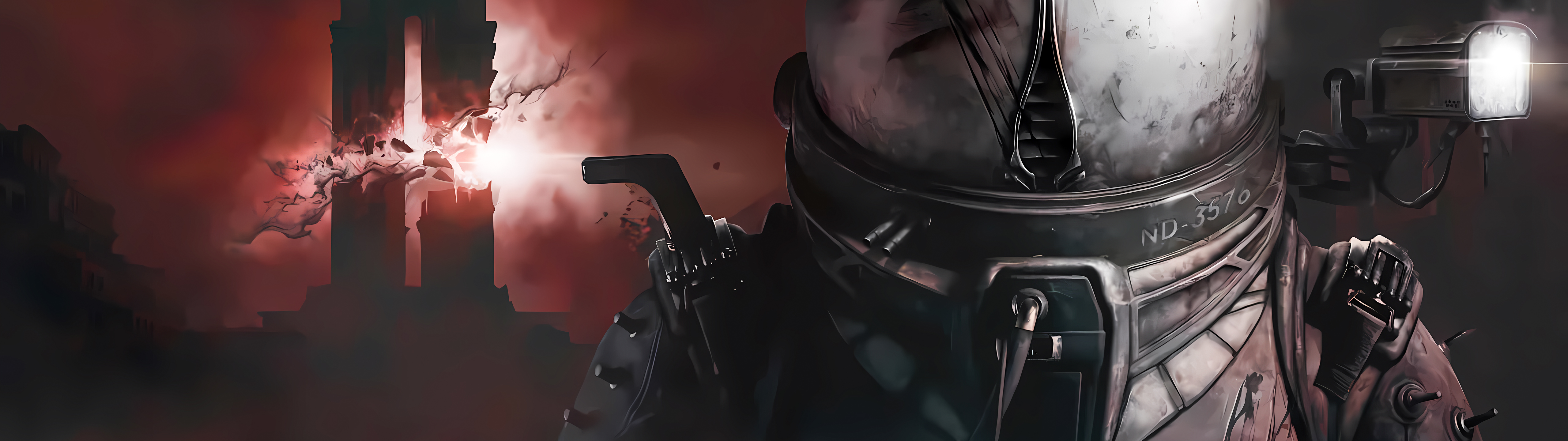
Cronos: The New Dawn is ambitious, tense, and often genuinely unsettling. It nails the atmosphere, with moody, oppressive visuals and environments that make you feel like every corner could hide danger. Combat is resource-driven and tense, especially with the Orphans’ merging mechanic, forcing you to think before you shoot or run. Exploration feels rewarding, with secrets, shortcuts, and environmental storytelling that reward curiosity rather than just brute force. The game has a strong sense of place; every room, corridor, and lab feels part of a lived-in, decaying world. It’s not flawless. Combat can become formulaic, especially with larger enemies relying on predictable weak-spot patterns. The PC port struggles with technical hitches, particularly with ray tracing and heavy particle effects, which can break immersion in intense moments. The story, while intriguing, leans on familiar tropes and occasionally predictable twists. Controls could be tighter in some combat scenarios, and a few pacing issues make backtracking feel stretched. Despite these flaws, Cronos shows that Bloober Team is willing to take risks and experiment with survival horror mechanics. It’s rough around the edges, but for players who enjoy atmospheric, tense, and punishing experiences, it’s a strong, memorable first step into a new horror universe. It’s not perfect, but it’s worth the dive if you can handle a few rough patches along the way.
Rating: 7.5/10
Special thanks to Bloober Team for providing the review code.
© Images and screenshots used in this review are courtesy of Bloober Team.
Buy the Game
You can purchase Cronos: The New Dawn from the following official platforms:
Support the developers and dive into the unforgiving world of Cronos: The New Dawn, where danger lurks at every step and survival pushes you to your limits.
© Karan Benchmarks. All rights reserved.