Hell is Us – Review
Reviewed by Karan Parmar | September 2, 2025
Hell Is Us is one of those games that immediately tells you what it’s about without saying much at all. You’re dropped into a war-torn country called Hadea with no map, no quest markers, and no hand-holding. You’re expected to listen, observe, and piece things together the old-fashioned way. It’s bold, moody, sometimes brilliant, and occasionally maddening. After finishing the campaign and spending extra time cleaning up side content on PC, here’s my full, spoiler-light take.
The Pitch & The Premise
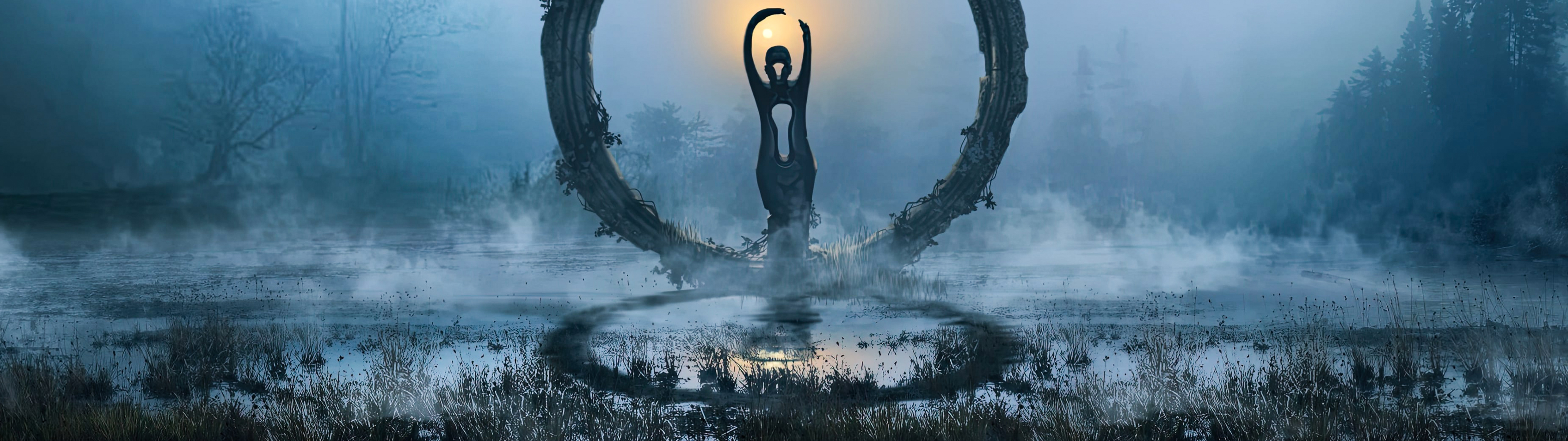
You play as Rémi, a peacekeeper for the ON (similar to the UN) who abandons his post and enters Hadea to uncover a family secret. What starts as a personal search soon grows bigger, as he finds a country torn apart by civil war and scarred by a disaster called the Calamity. The Calamity not only ruined cities but also created strange creatures that now roam the land. These monsters aren’t just enemies to fight; they represent the pain and destruction left behind. The world itself carries this weight too, with ruined towns and battlefields feeling less like places to explore and more like reminders of everything that was lost.
The game’s philosophy is clear from the start: you’re meant to figure things out on your own. There’s no minimap, no quest markers, and no tidy checklist pushing you forward. Instead, progression comes from paying attention to conversations, reading scattered journals, observing the environment, and piecing together Rémi’s own notes. It’s a design choice that gives the game a raw, grounded feel, and it rewards careful players who immerse themselves fully. At its best, it feels liberating, like you’re carving your path through uncertainty rather than following a script. But it can also be punishing, especially when vital clues are vague or when one missed detail causes hours of confusion. That tension between immersion and frustration is baked into the experience, and while not everyone will embrace it, the ambition behind the approach is undeniable.
Exploration – No Markers, Real Discovery
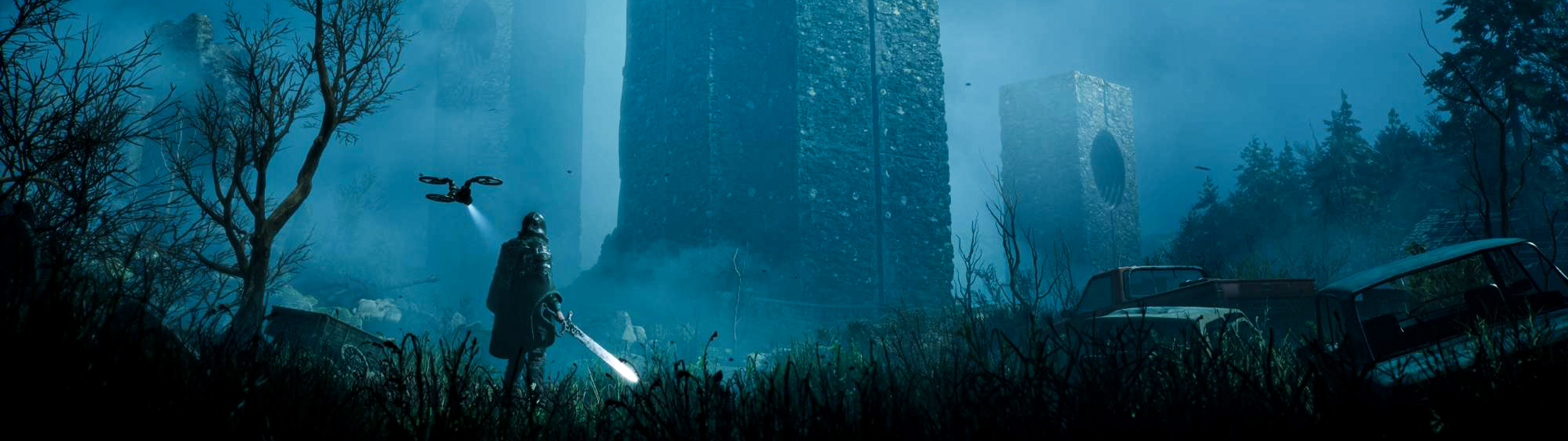
Exploration is the heart of the experience. Hadea is built as a semi-open network of regions: villages split by checkpoints, dense forests wrapped around ruins, and sealed military or research sites that act as multi-layered “dungeons.” The game never hands you a GPS marker or glowing trail. Instead, you rely on landmarks, road signs, scraps of dialogue, and your own memory to find the way forward. When it clicks, it feels fantastic, like hiking with a compass you made yourself. Some of the most rewarding moments come from chasing a rumor or half-heard story, only to stumble into a hillside shrine or an abandoned outpost that turns into a pocket dungeon, complete with its own rules and a nasty surprise waiting at the end. These discoveries make Hadea feel alive and unpredictable, encouraging curiosity rather than checklist clearing.
Puzzles play an equally important role. You’ll trace power lines through wreckage, piece together broken symbols, find alternate paths into sealed areas, and deploy your drone to scout, distract enemies, or slip through spaces Rémi can’t. The variety keeps things fresh, and most challenges are designed to be intuitive without feeling shallow. Some of the later sequences can pile on too many layers, like solving a code just to unlock a mechanism that leads to yet another puzzle, stalling the momentum. The lack of an optional hint or guidance toggle means you’re stuck until you brute force it or retrace your steps carefully. Still, for most of the campaign, the puzzle design walks a solid line between being readable and genuinely satisfying, striking a balance that keeps exploration from ever feeling passive.
Combat – Read the Room, Pick Your Openings
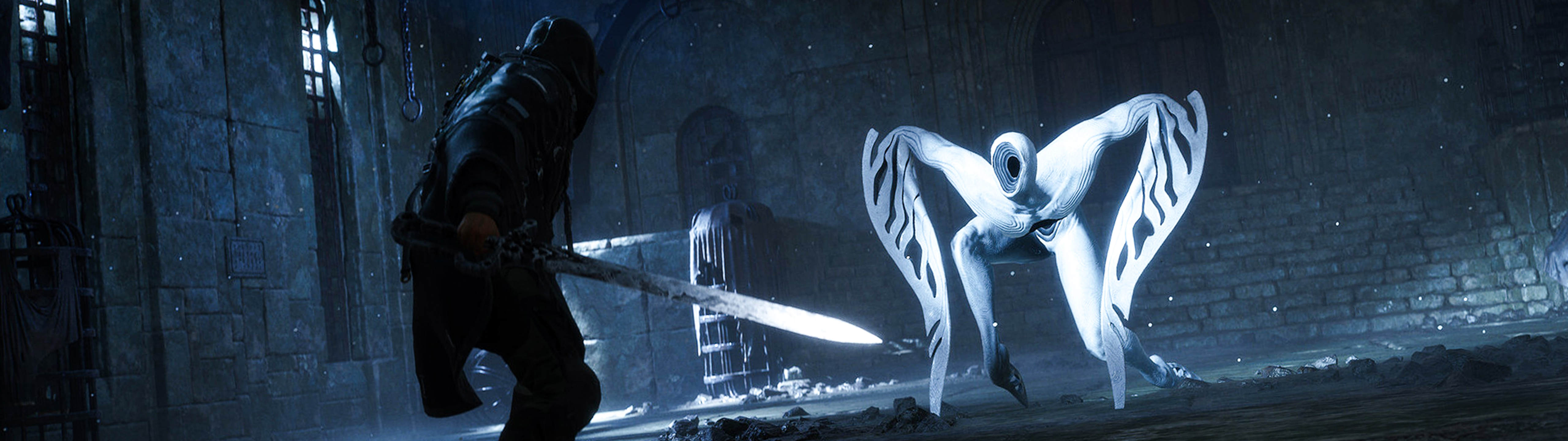
Combat is third-person and built around stamina-gated melee, with a handful of ranged tools sprinkled in. Rémi has access to blades, polearms, and axes, each carrying distinct movesets that change how you approach encounters. Enemies telegraph their attacks more clearly than in a Soulslike, but they still hit hard and punish careless button-mashing. The design nudges you toward patience baiting swings, committing to short combos, and learning when to counter instead of rushing. The difficulty curve feels reasonable: tense and fragile in the opening hours, more empowering once you’ve settled into your weapon of choice, and then a bit uneven in the final act, where spikes in difficulty sometimes feel abrupt rather than earned.
That said, the combat sits in “decent” territory rather than being truly satisfying. Hits don’t always land with the weight or crunch you’d expect, and while encounters are serviceable, they rarely deliver the adrenaline rush that exploration and puzzles do. Two things hold it back further. First, inputs can feel mushy, particularly when swapping weapons or trying to roll straight into an attack. Lock-on also has a habit of flicking to the wrong target in group fights, which can be especially frustrating when positioning matters. Second, enemy variety peaks early. The opening regions introduce a good spread of threats, but by the back half you’re fighting tougher or faster versions of familiar enemies rather than entirely new designs. It keeps the loop functional but not always exciting.
On the positive side, building flexibility adds welcome depth. Through passive perks, weapon boons, and gear traits, you can nudge Rémi’s playstyle toward what feels natural: parry windows, stamina sustain, counter-heavy setups, or leaning into status effects like bleed or burn. It’s not a full RPG system, but it does let you find a rhythm that works, making the mechanics feel a little more personal. Ultimately, combat doesn’t steal the spotlight, but it does its job well enough to support the stronger pillars of exploration and puzzle-solving.
Worldbuilding & Tone – War as a Place You Walk Through
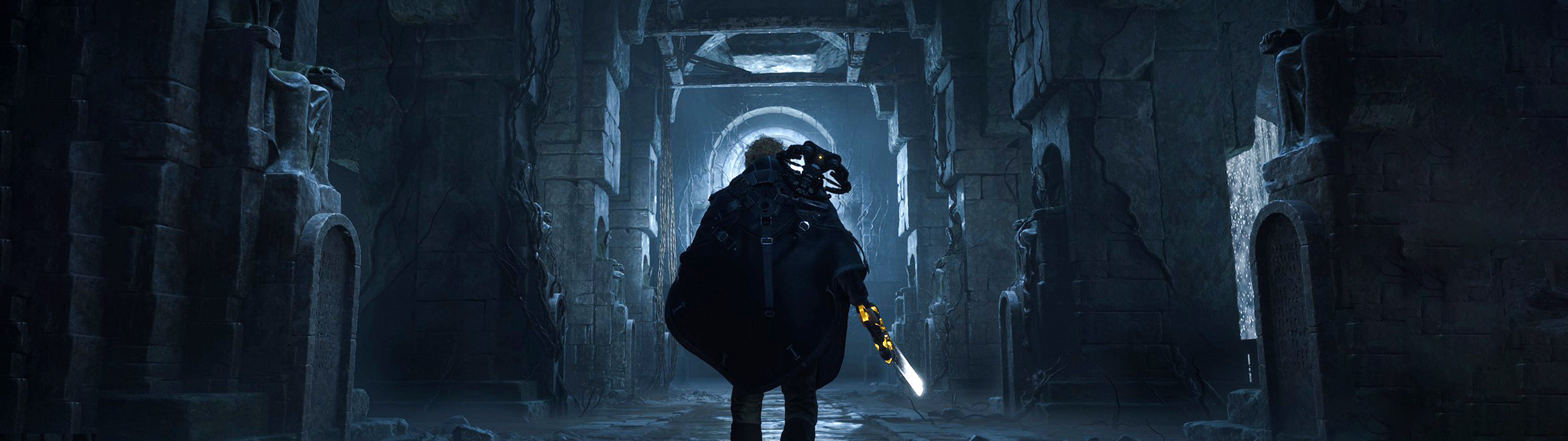
Hell Is Us treats its setting almost like a character in its own right. Checkpoints feel tense and oppressive even without a single cutscene; abandoned homes whisper stories through half-packed suitcases, torn photographs, and hastily scribbled notes. Memorial walls, mass-grave sites, and crumbling cityscapes arrive quietly, never dramatized, forcing you to pause and absorb the weight of what happened. The game encourages you to sit with these moments, letting the world speak through its silences as much as its visuals.
Rémi’s personal quest, the fractured factions vying for power, and the mythic shadow of the Calamity intersect in ways that sometimes land and sometimes stumble. Some subplots cool off just as tension should peak, and a few key revelations are delivered through logs or notes rather than through lived, in-world experiences. Still, the atmosphere rarely falters. The combination of environmental cues, background chatter, and the occasional sudden encounter keeps you immersed, often making up for uneven story beats.
Where the game shines is in how it makes you feel the consequences of conflict. The destruction isn’t just set dressing; it frames every decision, every cautious step through ruins. Even minor locations carry emotional weight: a collapsed bridge may hint at lost lives, a scorched forest can remind you of past battles, and small pockets of normalcy, a child’s toy, and a preserved meal punctuate the devastation with fleeting human traces. These details may not move the main plot forward directly, but they make Hadea feel lived-in, haunted, and personal, ensuring the narrative’s emotional core is carried largely by the environment itself.
Visuals & Performance on PC

Built on Unreal Engine 5, Hell Is Us leans heavily on dense foliage, volumetric lighting, god rays, wet surfaces, and rich post-processing effects. When everything aligns, the game can look absolutely stunning. Small touches, like drifting leaves, smoke curling over ruined rooftops, or sparks from damaged machinery, add a sense of life to an otherwise devastated world. Interiors aren’t neglected either: puddles reflect broken windows, dust motes float in shafts of light, and textures on walls, furniture, and debris carry a tactile realism that rewards close observation.
Performance, is more inconsistent. On my 1440p setup (RTX 4070, 32 GB RAM), I maintained smooth 60+ FPS in quieter zones, but particle-heavy fights, dense villages, or areas with overlapping weather effects could drop me into the mid-40s. Initial loading of new regions can produce shader-style hitches, and some cutscene transitions also cause brief stutters. Camera judder and input latency can be noticeable during these moments, so a locked target frame rate with stable frame time significantly improves the feel. Using an upscaler in combination with my optimized settings (which you can check out here) made the experience much smoother, reducing dips and keeping animations fluid.
Overall, the visuals are a highlight, but the performance requires a bit of tweaking to fully enjoy the engine’s potential. On mid-to-high-end systems, careful balance of global illumination, shadows, and upscaling can turn the game into a visually striking experience without sacrificing playability.
Audio & Music
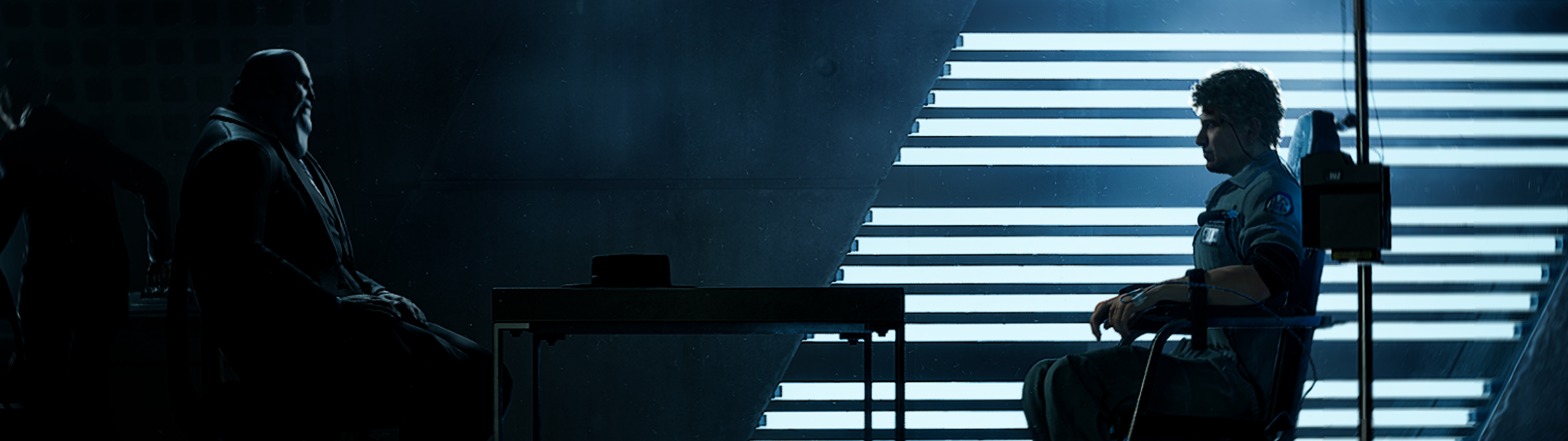
The audio never overwhelms the action; instead, it quietly reinforces the feeling of isolation, danger, and discovery that permeates Hadea. Ambient sounds are rich and layered, often telling as much of the story as dialogue does. Voice work is restrained and functional. Some line readings land a bit flat, and Rémi’s interactions occasionally feel understated, but the focus is clearly on mood and atmosphere rather than chatter. The audio mix supports the game’s environmental storytelling, balancing the raw realism of Hadea’s ruined landscapes with moments of cinematic emphasis when they matter most.
Verdict

Hell Is Us is a slow, often haunting adventure that asks you to pay attention. When exploration, puzzles, and environmental storytelling come together, navigating by landmarks, slipping through ruined buildings, or decoding anomalies while distant mortar fire echoes. It feels truly special, something most overmarked open worlds rarely achieve. It isn’t perfect. Combat can feel decent but not thrilling, enemy patterns repeat, and performance dips in dense areas or particle-heavy fights. Some story beats rely on notes or logs rather than lived moments, and the lack of guidance can be frustrating at times. If you enjoy exploring without GPS, a world that tells its story subtly, and melee that rewards patience, this is worth your time. Even so, its atmosphere and quiet moments of tension stick with you long after you finish.
Rating: 7/10
Special thanks to Nacon for providing the review code.
© Images and screenshots used in this review are courtesy of Nacon / Rogue Factor.
Buy the Game
You can purchase Hell is Us from the following official platforms:
Support the developers and step into the nightmarish world of Hell is Us, where survival is brutal and every choice can mean life or death.
© Karan Benchmarks. All rights reserved.