Lost Soul Aside – Review
Reviewed by Karan Parmar | August 30, 2025
I just spent time with Lost Soul Aside, and it’s been an interesting journey. What started as a small dorm-room passion project by Yang Bing slowly grew over the years into a fully realized game, now backed by Sony. You can feel the ambition and love poured into it, even if it doesn’t always land perfectly. Playing it brought a mix of excitement, occasional frustration, and moments of genuine awe, especially during the combat sequences and visually striking set pieces. From flashy combos to unique weapon mechanics, the game shows flashes of brilliance, even if some areas feel rough around the edges. Here’s my full take on how it lands, covering its highs, lows, and everything in between.
Where It All Began – A Leap of Creation

Eleven years ago, Yang Bing was experimenting with Unreal Engine 4, putting together a chaotic action demo that felt like Bayonetta meets Final Fantasy, only rougher and more unpolished. The clip quickly went viral, catching Sony’s eye, and under its China Hero Project, Lost Soul Aside began its long journey to a full release. That same drive and passion from its early days are still visible in every frame, from the fast-paced combat to the ambitious visuals.
Combat – When It Hits, It Hits Hard
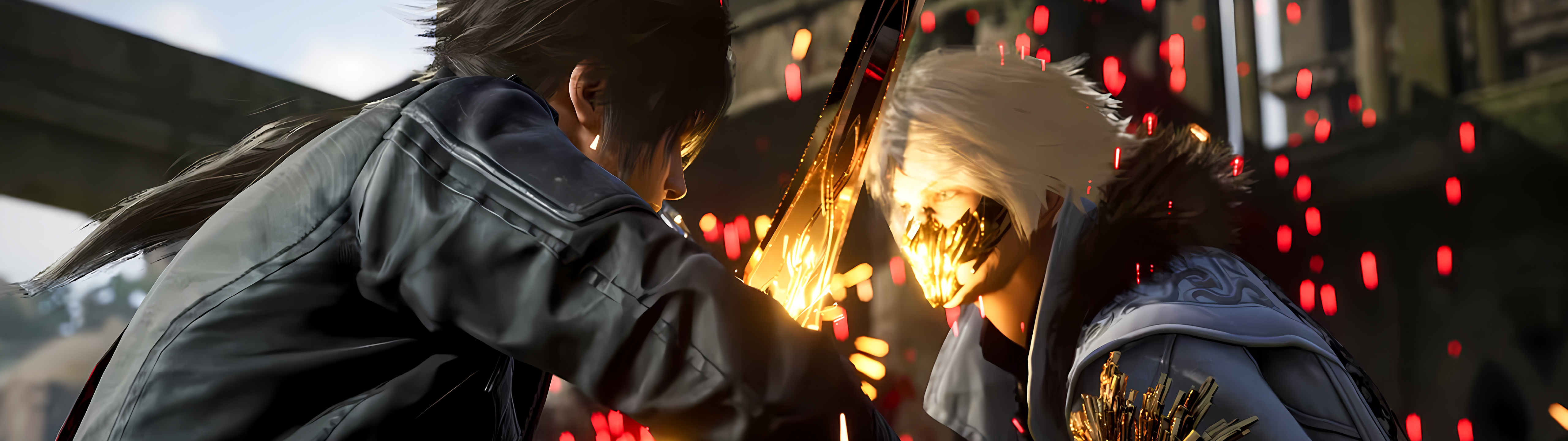
Let’s be honest: this game is pure combat porn. You play as Kaser, a character who feels like an extension of the player’s own reflexes, wielding everything from swords and poleblades to scythes and even switching to arena-shifting weapons through your dragon companion, Arena. Combat isn’t just functional; it’s a dare-to-record spectacle. You can swap weapons mid-combo, chain devastating Arena-powered abilities like Frost Blast or Mountain Break, and layer skill-tree bonuses for extra flair. Each attack feels weighty, each combo satisfying, and the variety ensures that even long play sessions rarely feel repetitive.
Big boss fights are where the game truly shines. Adrenaline spikes as you dodge, parry, and unleash cinematic bursts of power, often paired with arena mechanics that turn the battlefield into a dynamic puzzle. The set pieces feel almost movie-like, tempting you to replay encounters just to see every effect and animation in action. There’s a clear Devil May Cry influence, but the RPG elements of weapon progression, skill upgrades, and arena mechanics give it a personality all its own. Even when your PC hiccups, the combat rarely loses its edge; it’s fast, fluid, and exhilarating from start to finish.
World & Exploration – Beautiful Stage, Shallow Depth
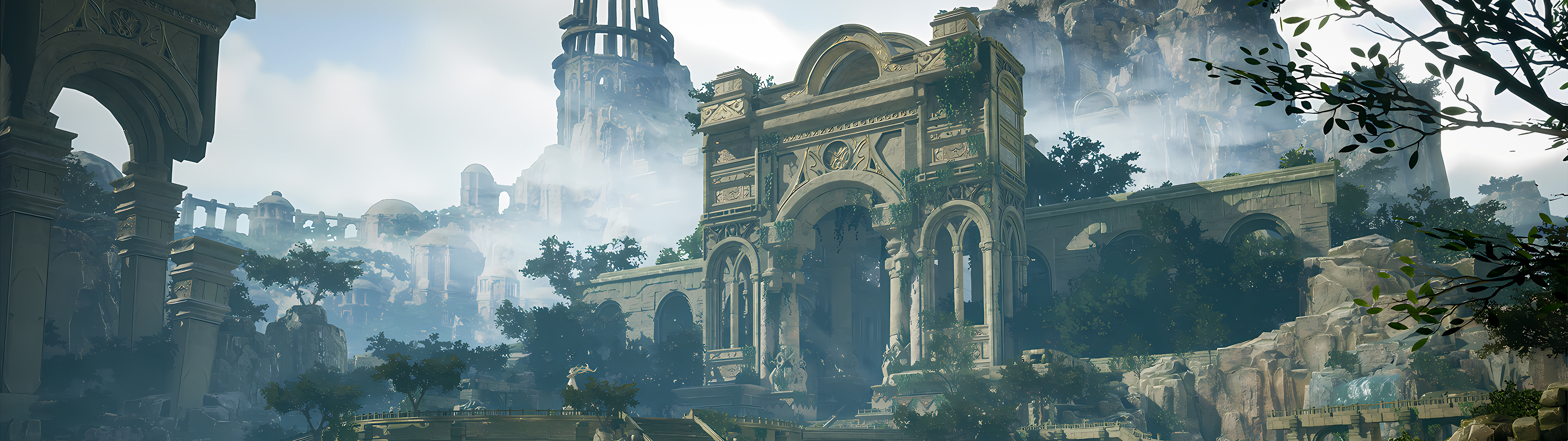
The game isn’t truly open-world; think of it more as a series of scenic gauntlets, but what gauntlets they are. Traversing the world is a joy: hoverboards, parkour, and glides make movement feel fluid and exhilarating. The environments pop with vibrant, anime-inspired color, from leather coats fluttering in the wind to neon lights reflecting off swinging blades. At its best, the game delivers moments that genuinely steal your breath; soaring over cityscapes or dashing through industrial ruins feels cinematic and alive. That said, these moments can be undercut by floating clipping, invisible walls, or the occasional awkward camera angle, which remind you that this world isn’t fully freeform.
Some areas, while beautiful, feel almost too neat, with overdesigned backdrops that prioritize spectacle over discovery. Exploration is often guided rather than emergent, with hidden nooks or secrets limited and sometimes frustratingly blocked by fixed camera angles or locked pathways. It’s more about moving through a crafted stage than uncovering a sandbox, but when it works, the combination of speed, acrobatics, and visual flair keeps the journey compelling.
Story & Characters – Heartbeat-Light with a Dash of Dramatic

Kaser isn’t some invincible hero; he’s a young man thrust into impossible circumstances, fighting not just to save his sister Louisa but to protect his world from the invading Voidrax, mysterious otherworldly beings with unpredictable powers. Arena, his dragon companion, brings both firepower and personality to the fight, offering sarcastic quips and playful banter that lighten the tension. Their relationship is oddly sweet, sometimes awkward, but it adds an emotional anchor amid the chaos of combat.
The setup has real promise, especially in the early hours when every encounter feels personal and high-stakes. But the story struggles to maintain that momentum. Pacing lurches, side missions and exposition often interrupt the flow, and some characters come across as flat or underdeveloped. Dialogue can veer into corny territory, and cutscenes occasionally lean into melodrama, breaking immersion.
Despite these flaws, there’s a spark of excitement when Kaser fights like his life depends on it, and moments of genuine tension and emotional resonance remind you why the stakes feel real at all.
Audio & Visuals – Loud, Proud, and Occasionally Faint
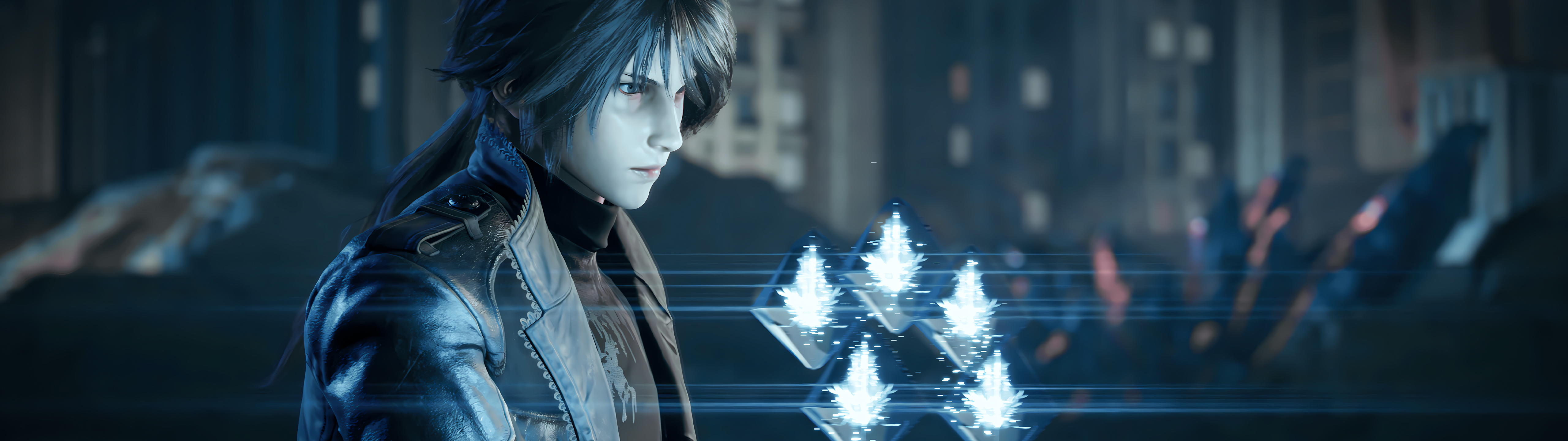
Graphically, Lost Soul Aside practically flickers with energy. From spectacular lighting to blazing particle trails, slick character models, and over-the-top ability effects, the game consistently delivers eye candy. Environments are packed with color and motion, whether it’s neon cityscapes, ruined industrial zones, or sweeping vistas, and every ability feels weighty and impactful.
The game mostly hits its mark. Guitars roar, swords clash, and the soundtrack alternates between high-energy rock anthems and more atmospheric, mood-setting tracks that match the pacing of combat or exploration. Arena’s voice lines and banter add personality, but the English voice acting occasionally feels stiff or over-the-top, pulling you out of the moment. Certain cutscenes suffer from awkward timing or delivery, which contrasts with the otherwise dynamic musical and sound design. Still, when everything clicks, the game’s audio-visual presentation is thrilling and memorable.
PC Port – Flashy Looks, Glass-Bottomed Boat
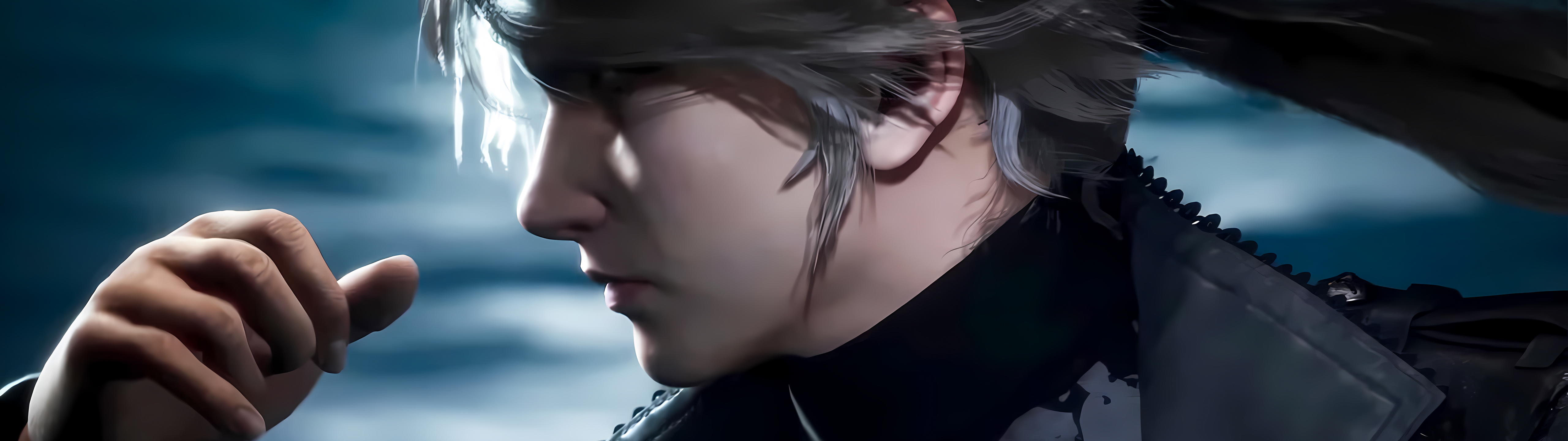
Here’s the painful truth: on PC, Lost Soul Aside looks fantastic, but it comes with noticeable performance headaches. The game is extremely memory-hungry; systems with 8GB VRAM can easily hit 20GB+ RAM usage, while even 12GB VRAM cards use over 10GB VRAM just to run the game. It also suffers from memory leaks, similar to what has been seen in other UE4 titles like Hogwarts Legacy, causing gradual slowdowns during longer sessions.
Frame rates can be surprisingly high even on lower-end GPUs, but smooth traversal is another story. Every few seconds, the game stutters, making parkour sequences, glides, and fast combat feel jagged and frustrating. These hiccups are particularly noticeable in busy environments with multiple particle effects or dynamic lighting, and they break the cinematic experience the game is aiming for. Until patches arrive, Lost Soul Aside on PC is a mix of stunning visuals and uneven technical performance that can test even patient players.
Final Take – Shiny Jewel, Hanging on Candles
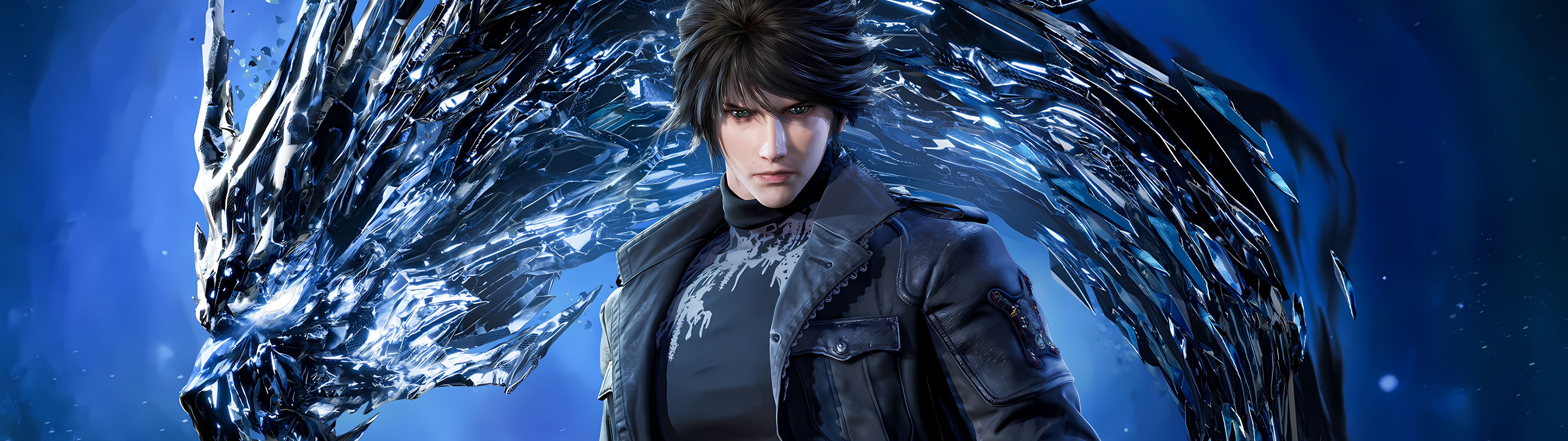
Lost Soul Aside is a heartwarming highlight reel: flashy, over-the-top combat, stylized characters, a unique DIY-to-Sony development saga, and visuals that often feel next-gen in scope. Yet on PC, it’s a mixed bag. Animations occasionally stutter, memory leaks and hiccups interrupt the adrenaline of combat, and some voice lines and cutscenes land flat, reminding you that the game isn’t quite polished in every corner. Still, there’s a lot to love. The thrill of chaining combos, swapping weapons mid-air, and unleashing Arena’s devastating powers is unmatched, and the environments, while sometimes linear, look like living, breathing pieces of art. If you crave high-speed, cinematic action and are willing to wrestle with performance quirks, this is an experience worth diving into. PlayStation players may have a smoother ride at launch, and patches will hopefully address PC stability, but for now, Lost Soul Aside is as much about appreciating its ambition as it is about enjoying its immediate gameplay.
Rating: 6/10
Special thanks to Sony Play Station for providing the review code.
© Images and screenshots used in this review are courtesy of Ultizero Games / PlayStation Publishing LLC.
Buy the Game
You can purchase Lost Soul Aside from the following official platforms:
Support the developers and dive into a high-octane, otherworldly adventure as Kaser and his dragon companion Arena battle the mysterious Voidrax in this long-awaited action spectacle.
© Karan Benchmarks. All rights reserved.