The First Berserker: Khazan – Review
Reviewed by Karan Parmar | March 27, 2025
Not all legends are born in glory; some crawl out from beneath the corpses of forgotten gods. The First Berserker: Khazan tells the story of a fallen hero exiled by the very empire he once defended. The narrative doesn’t hold your hand. Instead, it buries the truth beneath layers of myth, cryptic lore, and ruined architecture. There are no verbose info dumps or quest logs, just echoes of a broken world and the sound of your own labored breathing. It’s a story told through scars. Every boss you fight, every desecrated altar you pass, adds weight to Khazan’s cursed legacy. There’s an emotional gravity here, not from cutscenes, but from the consequence of war, of failure, of wrath that refuses to die.
World Design
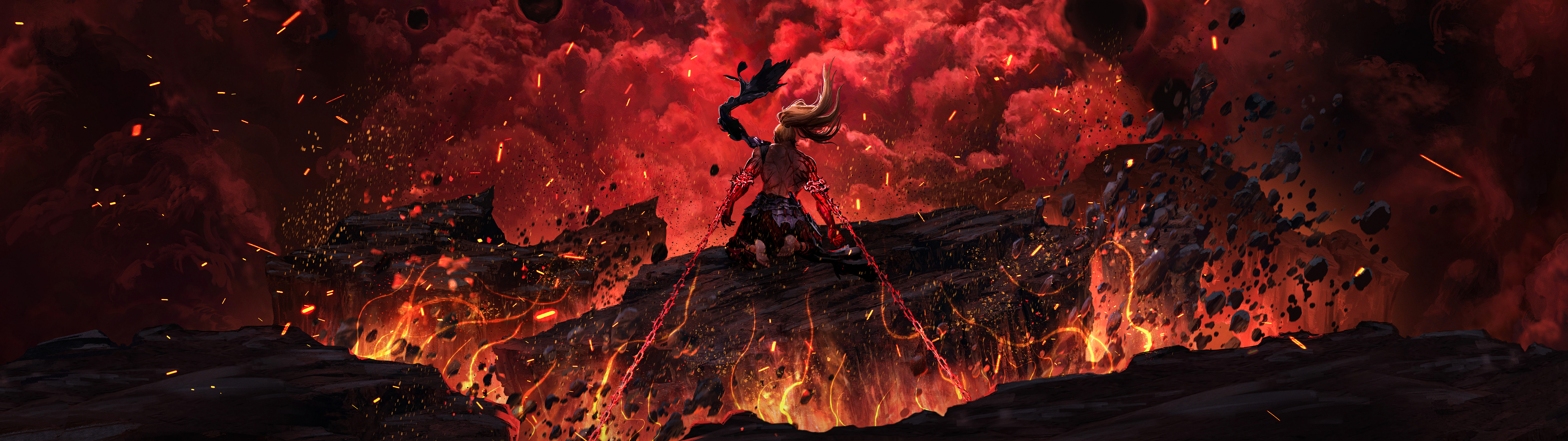
This is not an open world built for sightseeing. It is a kingdom choking on divine rot, its cathedrals collapsed, its cities sunken into silence. Khazan crafts its world like a funeral pyre: every zone feels like the aftermath of something ancient and unspeakable.
You’ll move through labyrinthine temples, blood-soaked battlefields, and haunted keeps where reality itself seems to decay. There’s a sick beauty in the way the world folds in on itself, looping shortcuts, impassable gates, and secrets tucked behind deathtraps. No map, no markers, just intuition, pain, and grim perseverance.
Level design doesn’t simply guide you. It tests your resolve. And when you emerge from a gauntlet into a moment of eerie calm, you understand: this world doesn’t want you to survive it.
Combat and Mechanics
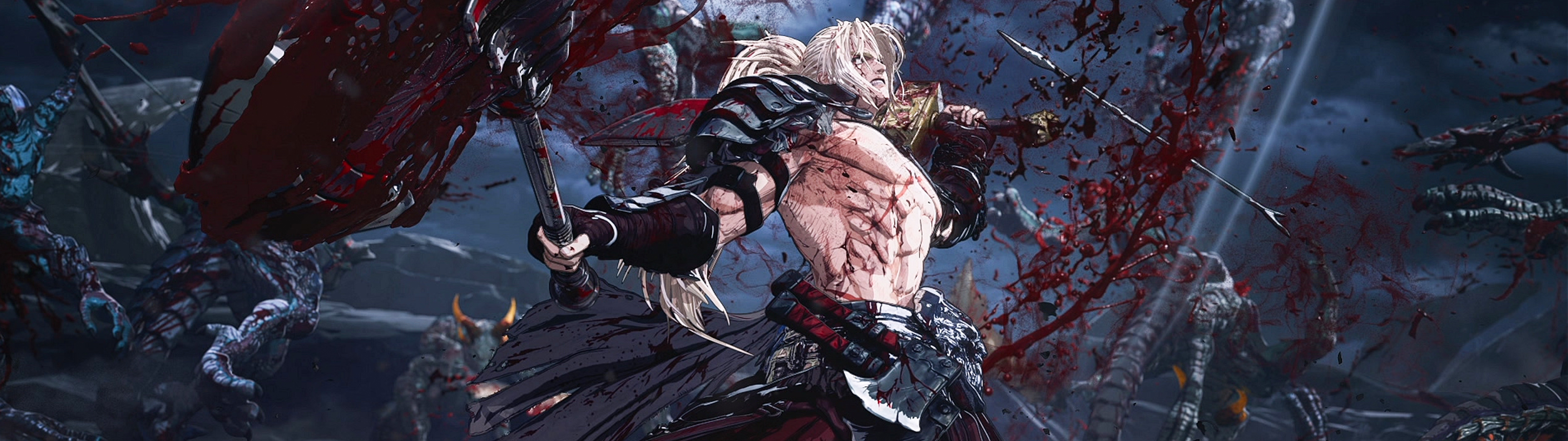
Combat in Khazan is less about speed and more about commitment. Every swing of your weapon is a decision, every dodge a last-second prayer. Khazan isn’t a nimble swordsman. He’s a walking executioner, wielding vengeance with both hands.
There’s no stamina to waste, no flashy combos to lean on. You learn to feel your weapon, how long it takes to wind up, how vulnerable it leaves you, and how satisfying it is to cleave through an enemy’s guard with perfect timing.
Combat is cruel but fair. You’ll die often, not because the game cheats, but because you hesitated or got greedy. Bosses are towering nightmares with intricate patterns and minimal forgiveness. Victory isn’t about being fast; it’s about being unrelenting.
The “Rage Unleashed” system adds a brilliant risk-reward mechanic. As you endure punishment or dish it out, a meter fills. Once triggered, Khazan enters a brief, berserking trance, swinging faster and hitting harder, but at the cost of control. It’s not a power trip. It’s a last resort, and using it at the wrong time can kill you faster than the enemy.
Weapons and Growth
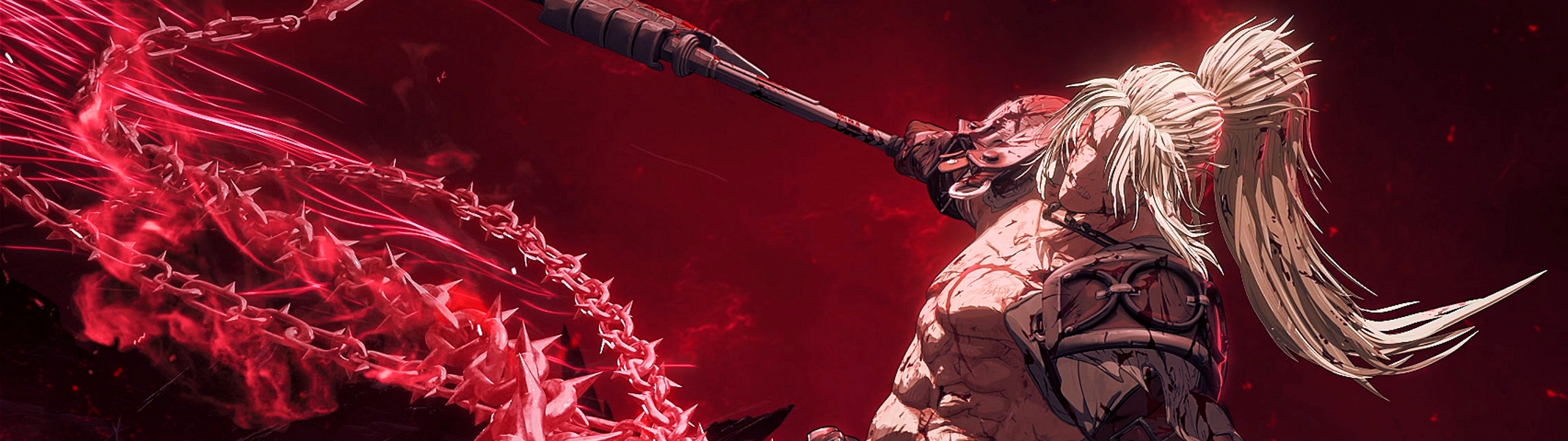
Khazan doesn’t collect weapons like trophies; he masters them like curses. Greatswords that shudder with ancient rage, cleavers soaked in heretical flame, and spears carved from fallen saints. Each weapon has a distinct tempo, reach, and stagger potential.
Progression isn’t about flashy numbers. It’s about understanding your tools, upgrading them to bleed, burn, or break, and pairing them with passive relics that fit your playstyle. You want mobility? Wear lighter armor and risk fragility. Want to tank through? Prepare to move like a coffin on legs.
There are no OP builds. Just the right weapon for the right war.
Sound Design
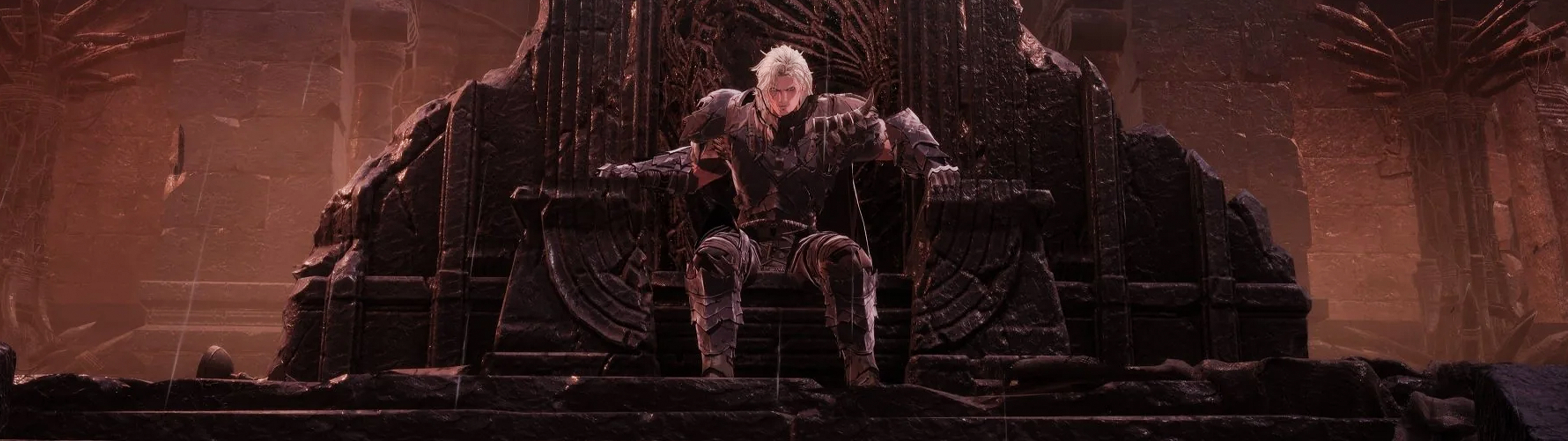
There’s a constant tension in Khazan’s soundscape: the silence between the battles. Ambient audio hums with spiritual decay: low chants behind ruined chapels, rattling chains, and wind that seems to whisper forgotten prayers. It unsettles. It isolates.
And when combat erupts, it erupts. Blades clash with bone, steel scrapes against cursed armor, and Khazan grunts like a dying beast with every blow. Sound design is brutally tactile; every hit feels like it hurts. Music only kicks in during climactic fights or key areas, and when it does, it doesn’t inspire hope. It’s grim, ritualistic, and full of dread.
Visuals and Performance
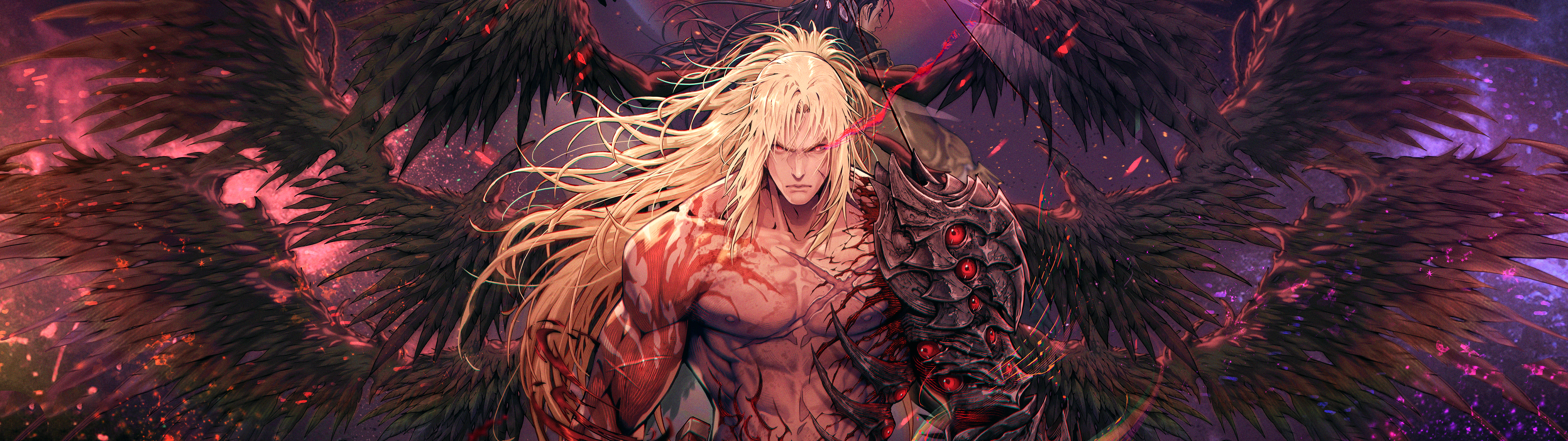
Khazan’s visuals look like dark fantasy concept art brought to life. Environments feel hand-crafted, with muted palettes that burst into reds and golds when blood and fire dominate the screen. Gothic towers stretch like fingers toward broken heavens, and the character design, especially the bosses, looks like a cursed blend of biblical nightmare and medieval horror.
Performance is stable, even during boss chaos. No major stutters, and load times are short. There’s some jank in close-quarter camera tracking and minor clipping during executions, but it never breaks immersion. If anything, the rough edges only add to the grime.
Final Verdict
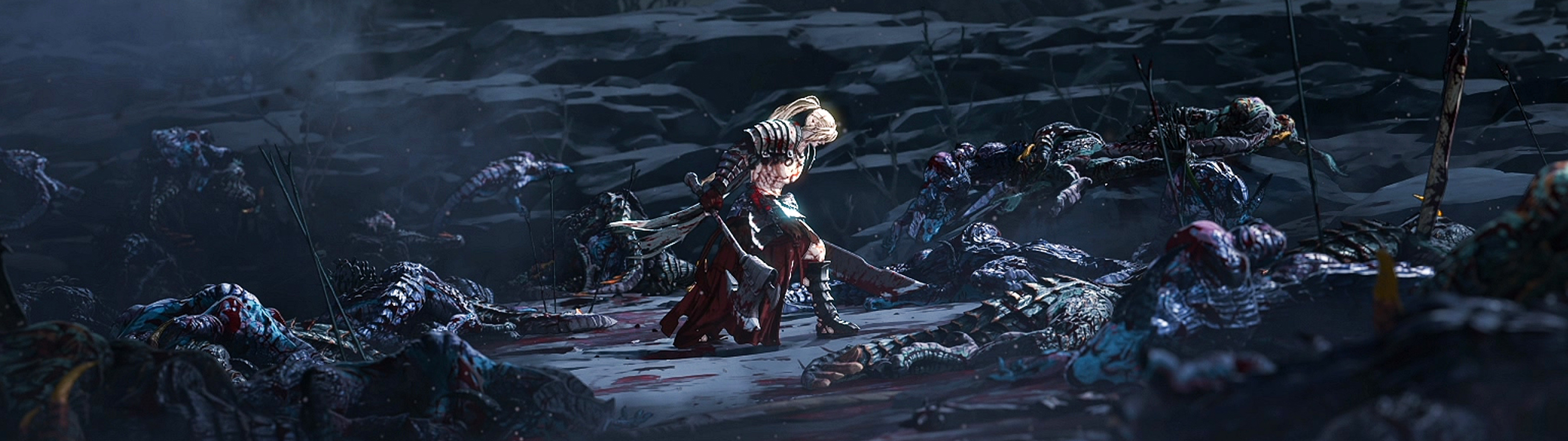
The First Berserker: Khazan doesn’t innovate for the sake of it. It doesn’t need to. Instead, it perfects a brutal philosophy: survive through discipline, strike with purpose, and walk through fire with no promise of salvation. It’s not just another Soulslike; it’s a myth carved from blood and sorrow. The combat hits harder. The story cuts deeper. And the world dares you to keep going, knowing full well it wants to break you. This is a game that remembers what made legends terrifying.
Rating: 8/10
Special thanks to NEXON for providing the review code.
© Images and screenshots used in this review are courtesy of Neople / NEXON.
Buy the Game
You can purchase The First Berserker: Khazan from the following official platforms:
Support the developers and walk the bloodstained path of vengeance. Khazan’s cursed legacy is yours to reclaim.
© Karan Benchmarks. All rights reserved.