The Last of Us Part II Remastered PC – Review
Reviewed by Karan Parmar | April 3, 2025
The Last of Us Part II Remastered has arrived on PC with a level of care, polish, and performance that firmly redeems the missteps of its predecessor’s port. This version doesn’t just carry over everything from the PlayStation 5 remaster; it elevates it. With extensive graphics options, smooth performance across a wide range of hardware, and meaningful additions like No Return mode and developer commentary, the current release is the most complete and technically refined version of one of the most divisive and emotionally ambitious games ever made.
Story – A Brutal Tale of Grief, Revenge, and Humanity
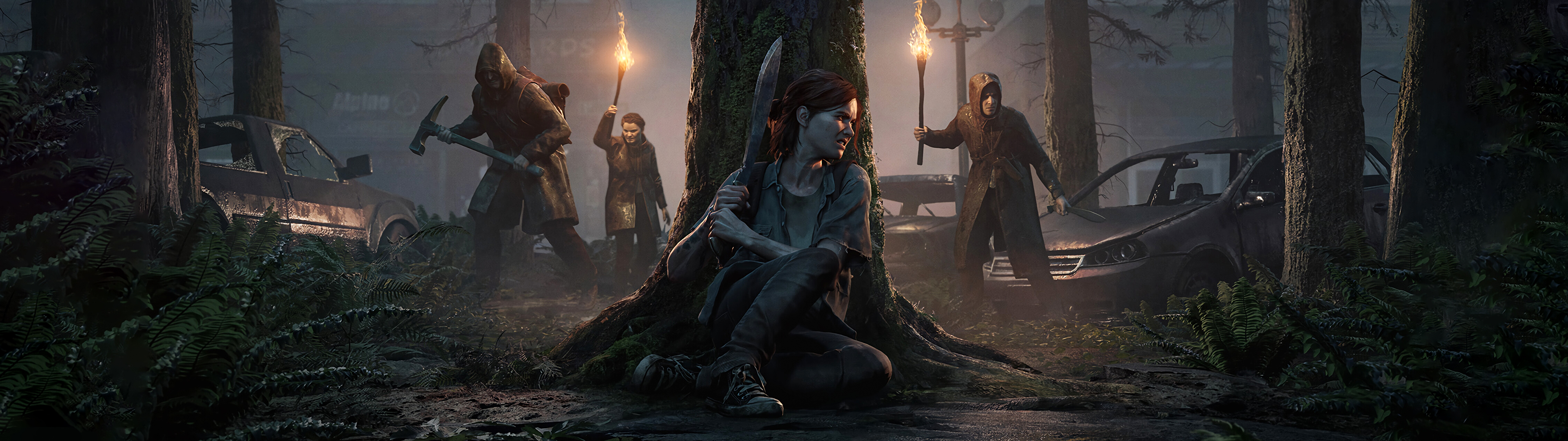
The Last of Us Part II is a story about what violence leaves behind. Set five years after the events of the first game, the narrative follows Ellie on a path driven by vengeance, trauma, and emotional unraveling. What begins as a revenge mission slowly becomes something heavier, less about justice and more about what’s lost along the way. The writing is unflinching and often uncomfortable, refusing to paint characters as purely heroic or villainous. The story makes bold choices, and whether you agree with all of them or not, they are purposeful and deeply woven into the game’s central themes.
What sets this story apart is its dual narrative structure. Roughly halfway through the game, players shift to Abby, a character who was once positioned as an antagonist. Her arc reveals a different perspective, challenging the player’s loyalty and asking hard questions about empathy. The game never hands out easy answers. It asks you to sit with pain, doubt, and conflicting emotions. That risk pays off in the long run, making the narrative one of the most ambitious and emotionally complex in modern gaming. Few games tackle grief, guilt, and revenge with this kind of nuance.
Characters – Flawed, Layered, and Human

Ellie and Abby are at the center of this story, and their arcs are delivered with weight, depth, and exceptional performance capture. Ellie, now a young adult, struggles with trauma and identity, driven by pain but haunted by the choices she makes. She’s not always likable, but she’s always believable. Abby is introduced as a soldier hardened by loss but gradually revealed to be more compassionate and conflicted than the story initially suggests. Both characters evolve, make mistakes, and suffer in ways that feel raw and grounded.
Supporting characters like Dina, Jesse, Lev, Yara, and Joel are all deeply written, each contributing emotional weight to the story. Dina’s relationship with Ellie brings moments of quiet intimacy, while Joel’s presence, both in memory and flashbacks, hangs heavy over the entire game. Lev, in particular, brings a fresh dynamic to Abby’s journey, exploring themes of family, belief, and survival from an angle rarely seen in big-budget games.
These characters aren’t just there for exposition; they drive the narrative forward through their decisions, regrets, and desires. Combined with masterful voice acting and facial animation, their performances feel almost filmic in their emotional delivery.
World Design – Atmospheric, Oppressive, and Beautiful
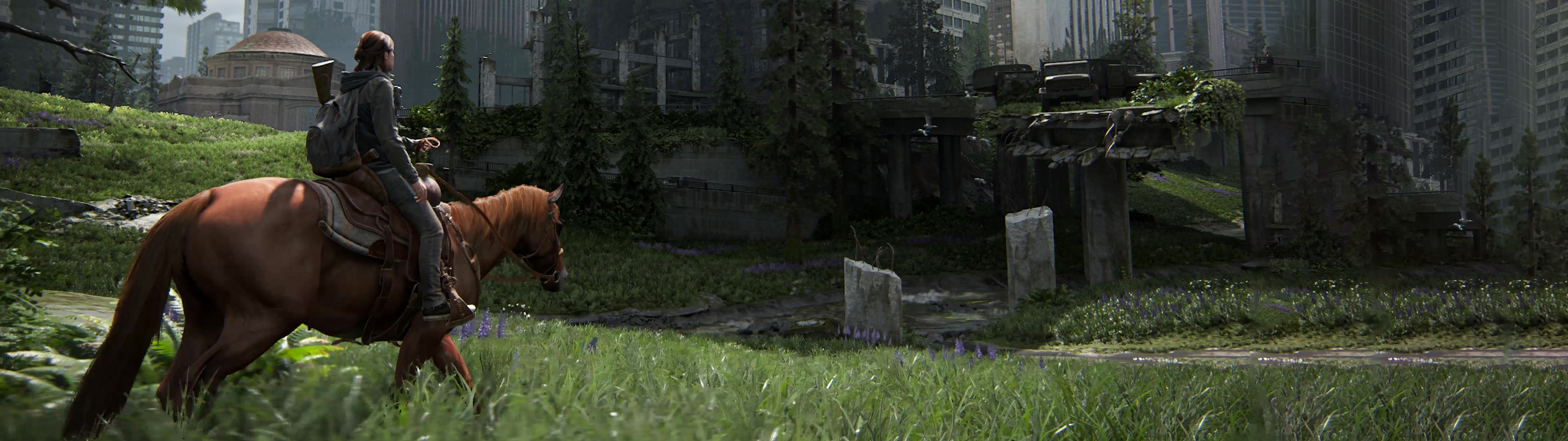
The environments in Part II aren’t just visually impressive; they’re deeply atmospheric and loaded with environmental storytelling. From the quiet decay of post-pandemic Jackson to the flooded ruins of Seattle, each area feels lived-in and forgotten at the same time. Notes, graffiti, makeshift homes, and personal belongings are scattered throughout every location, giving you insight into the world’s collapse without a single cutscene.
Level design strikes a careful balance between linearity and exploration. Some zones, like downtown Seattle, open up into semi-open hubs filled with optional encounters, hidden safes, and side stories. Others are tightly directed, designed to build tension or emphasize claustrophobia. The diversity of locations, from dark basements crawling with infected to abandoned skyscrapers and overgrown parks, keeps the pacing varied, even during slower moments.
What stands out most is the mood. Whether it’s the oppressive silence before a stalker ambush or the haunting calm of an empty music store, the world never stops reinforcing the game’s emotional tone. There’s beauty in the decay, but it never lets you forget the violence beneath the surface.
Combat and Mechanics – Brutal, Tactile, and Responsive
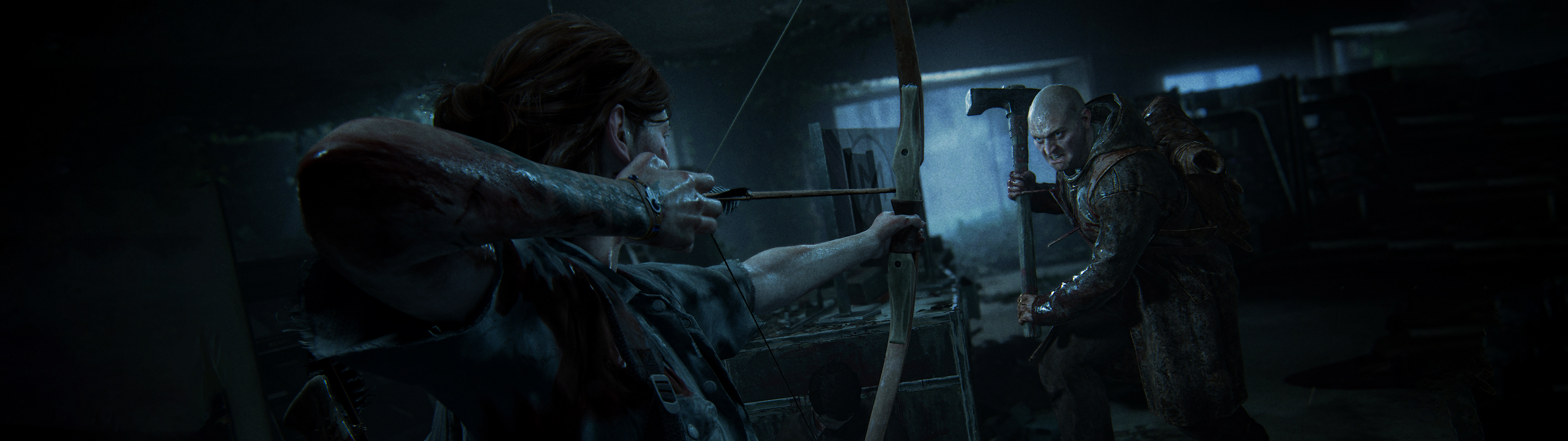
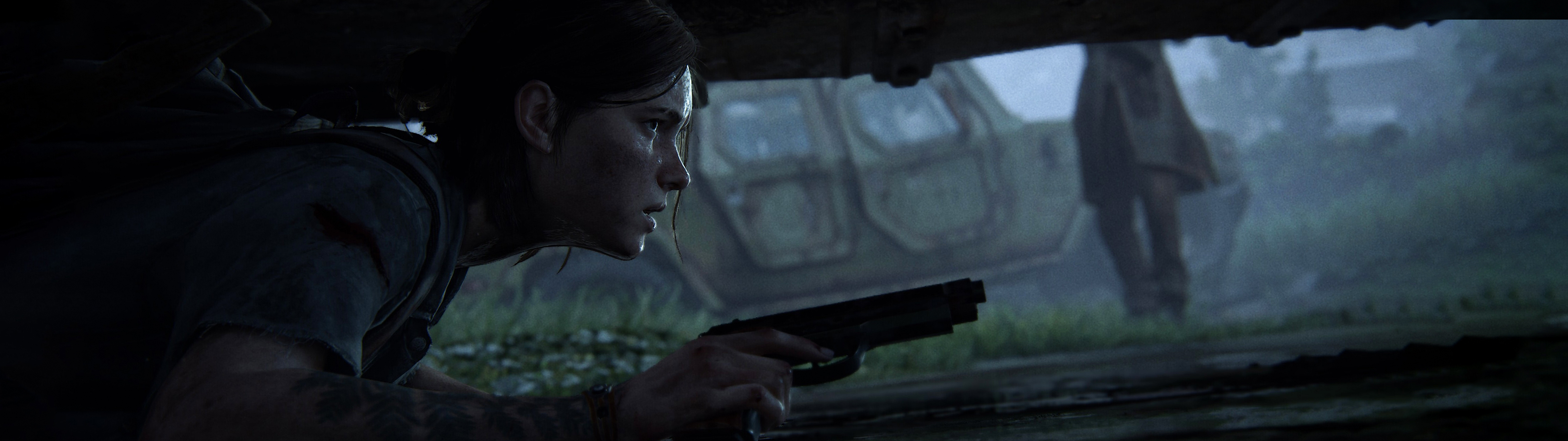
Combat in The Last of Us Part II is intentionally uncomfortable. Every bullet lands with impact. Every melee swing feels heavy. Every kill is personal. Stealth plays a major role, and the level of interaction with your environment, crawling through grass, breaking line of sight, and hiding under vehicles, adds depth to every encounter. Enemies communicate, flank intelligently, and respond to your actions. Kill one, and their friend may cry out their name or check the area cautiously. These small details make combat feel alive, dynamic, and personal.
Ellie plays with agility; quick dodges, stealth takedowns, and bow combat define her encounters. Abby, by contrast, hits like a truck. Her brawler style and access to heavier weapons shift the feel of combat entirely. This duality adds variety and strategy across both halves of the game.
Crafting returns, simple but essential. You’ll often find yourself deciding between a health kit or another Molotov. Resource scarcity adds tension, but smart exploration always rewards the player. Weapons feel unique, especially with upgrades. From a silenced pistol to a pump shotgun, each gun has its own weight and learning curve.
New Additions – No Return, Lost Levels, and More
The PC version includes all PS5 remaster content, making this the most feature-complete release of the game. The standout addition is No Return, a roguelike combat mode that transforms the intense moment-to-moment gameplay into a replayable loop. Each run has randomized enemies, modifiers, and unlockable characters. It’s challenging, fast-paced, and ideal for players who enjoy the mechanical side of the game without needing to replay the full story.
The Lost Levels are another highlight: three cut sections from the original game presented in a prototype-like state, each with developer commentary explaining why they were removed. These aren’t full missions, but they provide unique insight into the design process.
Other features include Guitar Free Play, a surprisingly creative sandbox where you can strum, pick, and even play actual songs with full chord control. The Chronological Story Mode is another option for returning players, reordering the story events into a linear timeline. It’s less emotionally impactful than the original structure but useful for newcomers or second playthroughs.
Audio Design – Subtle, Cinematic, and Devastating
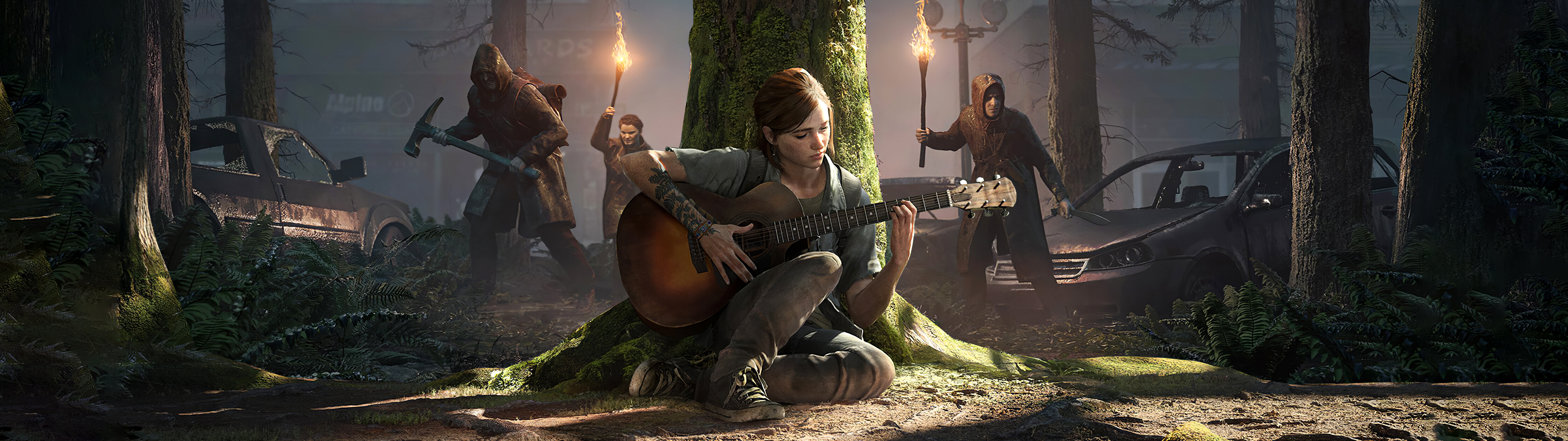
From a technical and artistic standpoint, the audio in this game is masterful. Ambient soundscapes fill every corner of the world. Listen closely, and you’ll hear infected breathing in distant rooms, raindrops hitting different surfaces, or wooden planks creaking under slow footsteps. The use of silence is just as important as creating tension in ways that music never could.
Voice acting across the board is phenomenal. Ellie’s quiet resentment, Abby’s internal conflict, and Joel’s haunting weight every performance lands. Gustavo Santaolalla’s score is sparse but unforgettable. A few soft guitar notes are enough to bring you back to a moment you’re not ready to revisit.
Whether using headphones or surround speakers, the mix ensures immersion. Positional audio helps in stealth. Enemy barks give tactical cues. And when the chaos kicks in, everything, gunshots, screams, breaking glass, rises into a thick, chaotic mess that sounds horrifyingly real.
PC Port – Finally Done Right
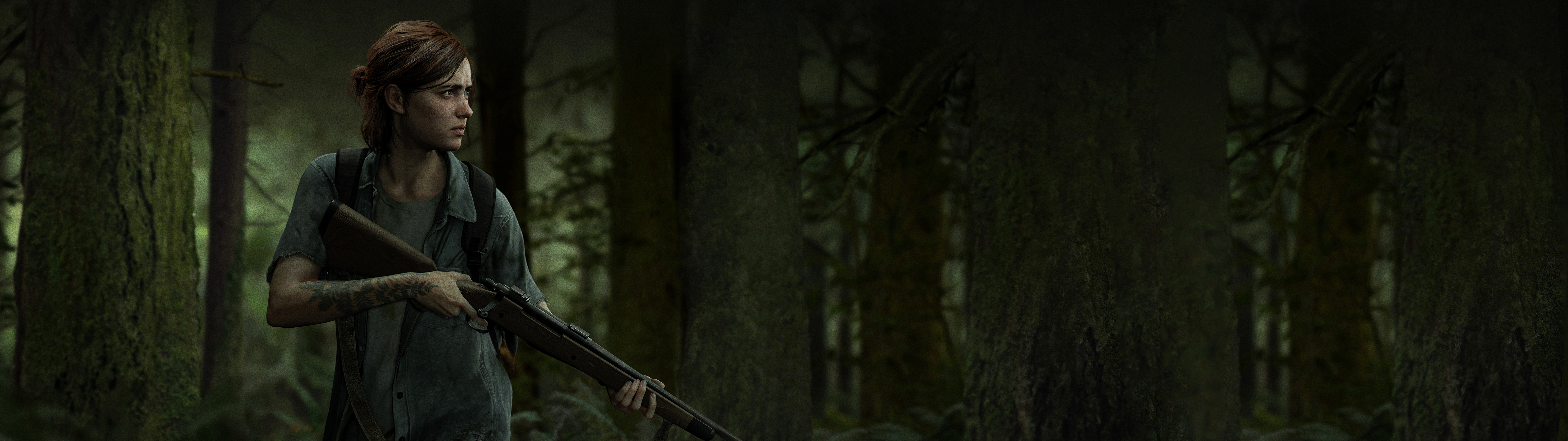
This is one of the most polished Sony PC ports to date. No shader compilation stutters, no intrusive bugs, and no game-breaking issues out of the box. Optimization is solid across modern GPUs, scaling well from mid-range to high-end hardware. UI elements are responsive, menus are clean, and the graphic settings allow fine-tuning for nearly every visual aspect. Accessibility options remain best-in-class. High contrast modes, motion reduction, screen readers, directional audio cues, and customizable input methods open the game up to an audience that’s often overlooked in big-budget releases. It’s a genuine effort toward inclusivity, not just a checklist.
Conclusion – A Bold Masterpiece Now Delivered With Respect

The Last of Us Part II Remastered on PC is everything a proper port should be. It’s faithful to the original vision, packed with meaningful additions, and enhanced by technical improvements that make it feel modern again. Its story will divide players; it always has, but its commitment to narrative depth, gameplay tension, and emotional honesty is impossible to ignore. This version doesn’t just respect the source material; it expands it, polishes it, and finally brings it to PC players in a form that feels right. For fans who missed it on console, this is the best way to experience one of the most powerful games of the last decade. And for returning players, the improved visuals, performance, and bonus content make this journey well worth taking again.
Rating: 9/10
Special thanks to Sony PlayStation for providing the review code.
© Images and screenshots used in this review are courtesy of PlayStation Publishing LLC / Naughty Dog.
Buy the Game
You can purchase The Last of Us Part II Remastered from the following official platforms:
Support the developers and experience Ellie and Abby’s powerful journey like never before.
© Karan Benchmarks. All rights reserved.